
Getting a new tattoo is exciting, but the healing process requires patience and proper care. Several factors determine how long your tattoo takes to heal, including size, placement, skin type, and your overall health. Your local tattoo shop will give you aftercare instructions, but understanding what affects healing helps you know what to expect. This post covers the main things that impact your tattoo’s recovery timeline. Knowing these details upfront sets you up for a smooth healing experience.
Factors Influencing Tattoo Healing Time
A few key factors play into how long your tattoo takes to heal. Size and complexity matter a lot; bigger, more detailed designs mean more trauma to the skin, which extends recovery time. This is especially common with custom tattoo New York artists create, since custom work often involves intricate linework and shading. Where the tattoo sits on your body also matters. Areas that move frequently or rub against clothing tend to heal more slowly than spots that stay still. Your skin type and general health factor in, too. People with dry skin often see longer healing times, and anyone with a weakened immune system may experience delays. Keeping the tattoo clean and moisturized throughout the process helps everything along.
Understanding the Tattoo Healing Process
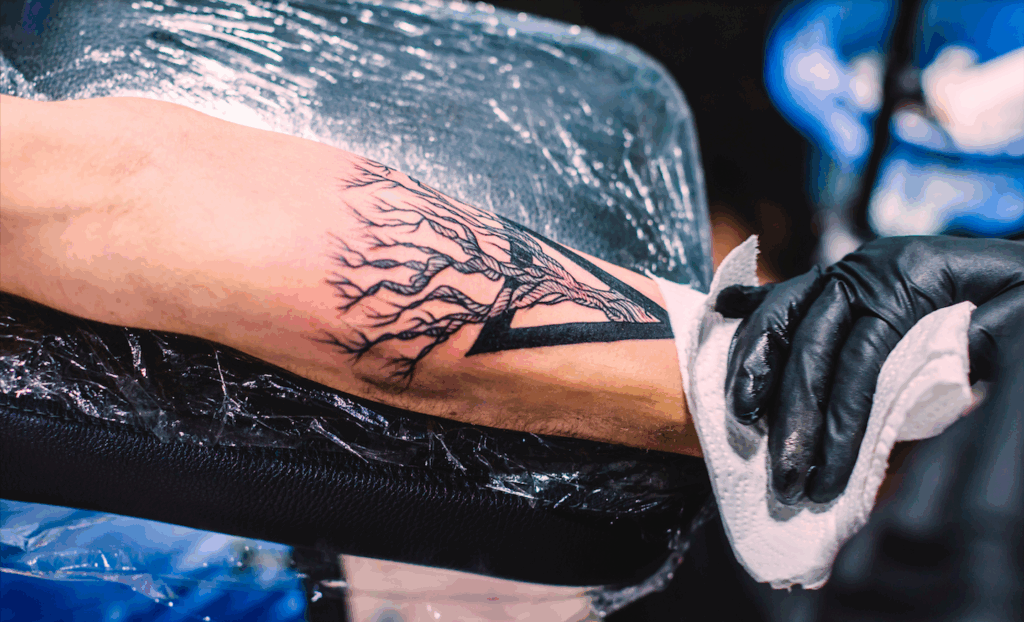
Knowing how your body heals a tattoo helps you take better care of it. Right after getting inked, the area will likely be red, swollen, and tender, which is normal whether you were tattooed in a studio or at a tattoo event. Over the next few days, a scab forms to protect the skin while it repairs itself. Whatever you do, don’t pick at the scab; that’s how you get scarring and infections. During healing, keep the tattoo clean, moisturized, and out of direct sunlight. Follow your tattoo artist’s aftercare advice and use the products they recommend. How closely you follow these steps directly affects how your tattoo turns out.
Impact of Tattoo Size on Healing
The size of your tattoo directly affects how long it takes to heal. Larger pieces cover more skin, which means more trauma during the session. Your body responds by forming more noticeable scabs, and the overall healing window stretches out. Big tattoos often require multiple sessions, adding even more time to the recovery process. No matter the size, following aftercare instructions closely helps promote healing and reduces complications. If you’re going big, know that you’ll need to commit more time and attention to the healing phase.
Effect of Tattoo Placement on Recovery
Where you put your tattoo affects how fast it heals. Different body parts have different skin thickness, blood flow, and movement levels. Areas with more fatty tissue, like the upper arm or thigh, usually heal more quickly than bony spots like the ribs or feet. Tattoos on high-movement areas, such as the hands or feet, can take longer due to constant flexing. Spots that rub against clothing, such as the waistline or under the bra straps, may also take longer to heal due to friction. Artists at professional studios, including reputable New York piercing shops that also offer tattoo services, often help clients choose placements that balance aesthetics and healing time.
Skin Type and Healing Duration
Your skin type plays a role in how your tattoo heals. People with oily skin may notice longer healing times because excess oil can interfere with the process. Those with dry skin may experience more itching and flaking as things progress. If you have sensitive skin, expect more inflammation and irritation after your session. Knowing your skin type helps you predict how your body will respond and what extra care you might need. Everyone heals differently, so your timeline won’t look exactly like someone else’s.
Importance of Proper Aftercare
Aftercare can make or break your tattoo’s healing. Following your artist’s instructions is the best way to heal properly and avoid problems. Good aftercare means keeping the tattoo clean and moisturized, avoiding harsh sunlight, not picking or scratching the area, and sticking to a solid skincare routine. Skipping these steps can prolong healing time, increase your risk of infection, and even damage the tattoo itself. The effort you put into aftercare directly shapes how your tattoo looks once it’s fully healed. Take it seriously, and your ink will thank you.
Related Topics: