Getting a tattoo often comes with a lot of follow-up questions, and blood donation is one of the common ones. Rules can be unclear at first, especially since policies change depending on where you donate.
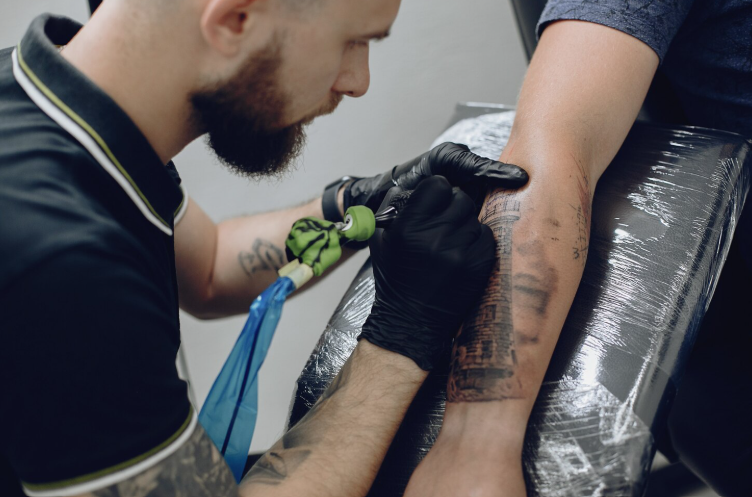
The quality of the tattoo experience matters too, and work done at a high-quality tattoo shop usually follows strict hygiene practices that factor into eligibility later on. This post walks through how donation centers look at tattoos, why waiting periods exist, and what to expect before you try to donate.
Blood Donation Eligibility Criteria
Blood donation centers follow strict guidelines to protect both donors and recipients. In general, donors need to be in good health, meet age and weight requirements, and have no recent exposure to certain illnesses.
Medical history, recent travel, and current medications can also affect eligibility. During screening, honesty matters more than people realize. Even small details help staff decide whether it’s safe for you to donate at that time.
Tattoo and Blood Donation Guidelines
Tattoos fall under additional screening rules because they involve needles and skin healing. Donation centers look at where the tattoo was done, how recent it is, and whether proper hygiene standards were followed.
Policies can differ between locations, so one center may clear you sooner than another. The main concern is reducing the chance of infection entering the blood supply, even if the tattoo looks healed on the surface.
Waiting Period After Getting a Tattoo
Most donation centers require a waiting period after getting a tattoo. This usually ranges from three months to a year. The waiting time allows your skin to heal fully and lowers the risk of bacteria or bloodborne infections.
Even if your tattoo feels fine after a few weeks, the body is still repairing deeper layers. Donation centers rely on this buffer period to keep the process safe for everyone involved.
Tattoo Safety and Cleanliness Standards
Tattoo safety plays a significant role in how donation centers assess risk. Clean tools, single-use needles, fresh ink caps, and a sanitary workspace all matter.
Shops that follow strict cleanliness rules reduce the chances of infection during the tattoo process. While donation centers don’t always verify where you got tattooed, proper standards still influence the overall risk tied to recent tattoos.
Impact of Tattoo on Blood Donation
A recent tattoo doesn’t mean you can’t donate blood, but it does mean you may need to wait. This pause helps prevent potential complications during donation and protects recipients who rely on safe blood supplies.
The waiting period also gives your body time to settle after the tattoo heals. Once that time has passed and no issues appear, most people are cleared to donate without trouble.
Steps to Take Before Donating Blood
Before donating, it helps to prepare your body. Staying hydrated, eating balanced meals, and getting enough rest all support a smoother donation experience.
Paying attention to how you feel matters too. If something feels off, it’s better to wait and donate another time. These small steps make the process easier and help donation centers keep things running safely.
Related Topics:
