Surface Piercing: Placement, Jewelry & Aftercare
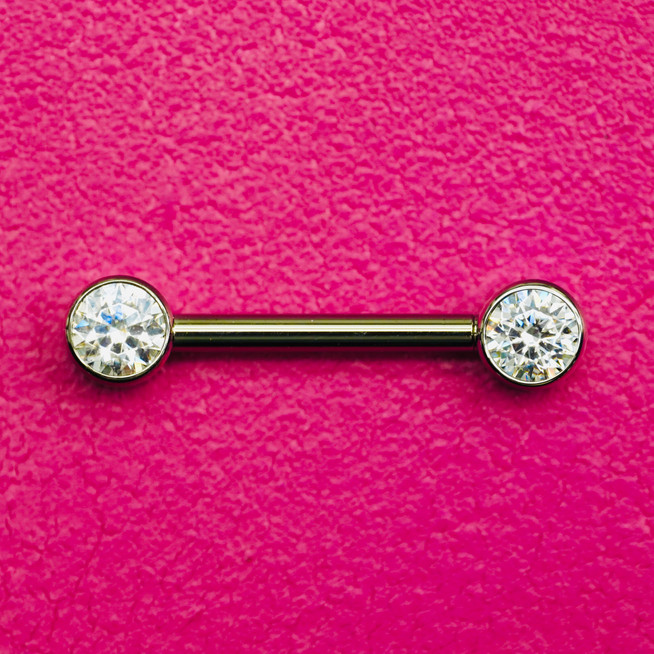
Surface piercings are placed through flatter areas of the body rather than through tissue such as an earlobe or lip. Because these piercings sit close to the surface of the skin, anatomy, placement, jewelry selection, and lifestyle all play an important role in how well they heal and how long they last. Our professional piercers will evaluate the area you’re considering and determine whether a surface piercing is appropriate for your anatomy.
Surface Piercing Placement
Placement is especially important with surface piercings. Areas that experience frequent movement, pressure, friction, or snagging may be more difficult to heal and can increase the likelihood of irritation, migration, or rejection.
Before piercing, your piercer will evaluate the tissue, discuss your lifestyle and desired placement, and explain whether a traditional surface piercing or another piercing option may be better suited for the area.
Healing & Migration
Surface piercings require patience and careful monitoring throughout the healing process. Because they sit relatively close to the surface of the skin, they can be more susceptible to irritation, migration, or rejection than some other types of body piercings.
Avoid unnecessary pressure, friction, snagging, or movement around the piercing. Clothing, waistbands, bags, towels, sports equipment, and sleeping positions can all affect a surface piercing depending on its location.
If you notice the jewelry becoming increasingly visible beneath the skin, the tissue between the openings becoming thinner, or significant changes in placement, contact your piercer for an evaluation rather than attempting to remove or adjust the jewelry yourself.
Surface Piercing Aftercare
Wash your hands before touching your piercing and otherwise leave it alone as much as possible. Gently rinse the area with sterile saline wound wash containing 0.9% sodium chloride and dry with a clean disposable product.
Do not twist, rotate, or unnecessarily move the jewelry. Avoid alcohol, hydrogen peroxide, harsh soaps, ointments, and homemade salt mixtures. Keep cosmetics, lotions, sprays, and other personal-care products away from the healing piercing.
Avoid swimming or submerging a healing surface piercing in pools, hot tubs, lakes, or other bodies of water. Your piercer can provide aftercare recommendations specific to the placement of your piercing.
Considering a surface piercing? Book an appointment with one of our professional piercers for an anatomy and placement assessment, jewelry selection, and personalized aftercare guidance.